University of Waterloo
Candidate for BASc in Electrical Engineering (Co-op), expected graduation December 2030.
- Coursework: ECE 150 (Programming), ECE 124 (Digital Design), ECE 140 (Linear Circuits), ECE 198 (Project Studio).
University of Waterloo — Electrical Engineering (Co-op)
“Thoroughly conscious ignorance is the prelude to every real advance in science.”
— James Clerk Maxwell
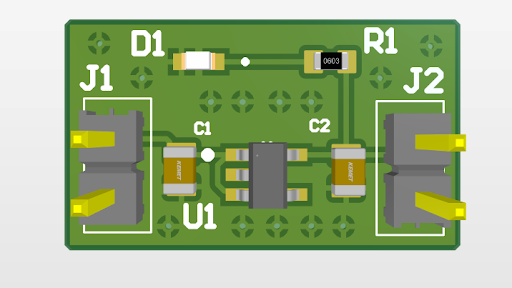
I focus on PCB design and hardware bring-up—from schematic and component selection to layout in Altium—plus embedded firmware on Arduino and ESP32 for sensors, control, and integration work.
I’m an Electrical Engineering student at Waterloo building toward boards and systems that behave reliably on the bench and in the field. Lately that means regulator design and PCB layout with WARG, embedded projects with C/C++ and MicroPython, and tightening the loop between schematic review, documentation, and test.
Outside class I’ve shipped tutoring outcomes at scale and automation tooling for a health-tech placement—always chasing clean interfaces between hardware, software, and the people who use them.
Candidate for BASc in Electrical Engineering (Co-op), expected graduation December 2030.
Sep 2020 – Jun 2024
PCB-focused onboarding and contribution to the team’s electrical design flow—layout, schematic literacy, and documentation aligned with group standards.
Placement after completing two Microsoft Azure certifications through Waterloo’s WEAccelerate Azure & AI stream—shipping automation and data tooling for clinic outreach and AI-assisted workflows.
Selected builds—mostly embedded sensors, controls, and a clinical-facing interactive device from project studio. More to come.
What: Intrusion detection with ultrasonic and sound sensors and alerts on events.
How: C++ and MicroPython (uPython app) for sensor logic and circuit control; Flipper Zero to tune detection parameters wirelessly.
Result: Working platform for Sub-GHz / microcontroller experiments on future projects.
What: ECE 198 real-time reaction game for patients with hospital-induced delirium (HID).
How: Rotary encoder and C++ firmware to measure reaction time between LED blinks; LCD for scores and feedback.
Result: Clinical-assessment-oriented prototype with round-based scoring.
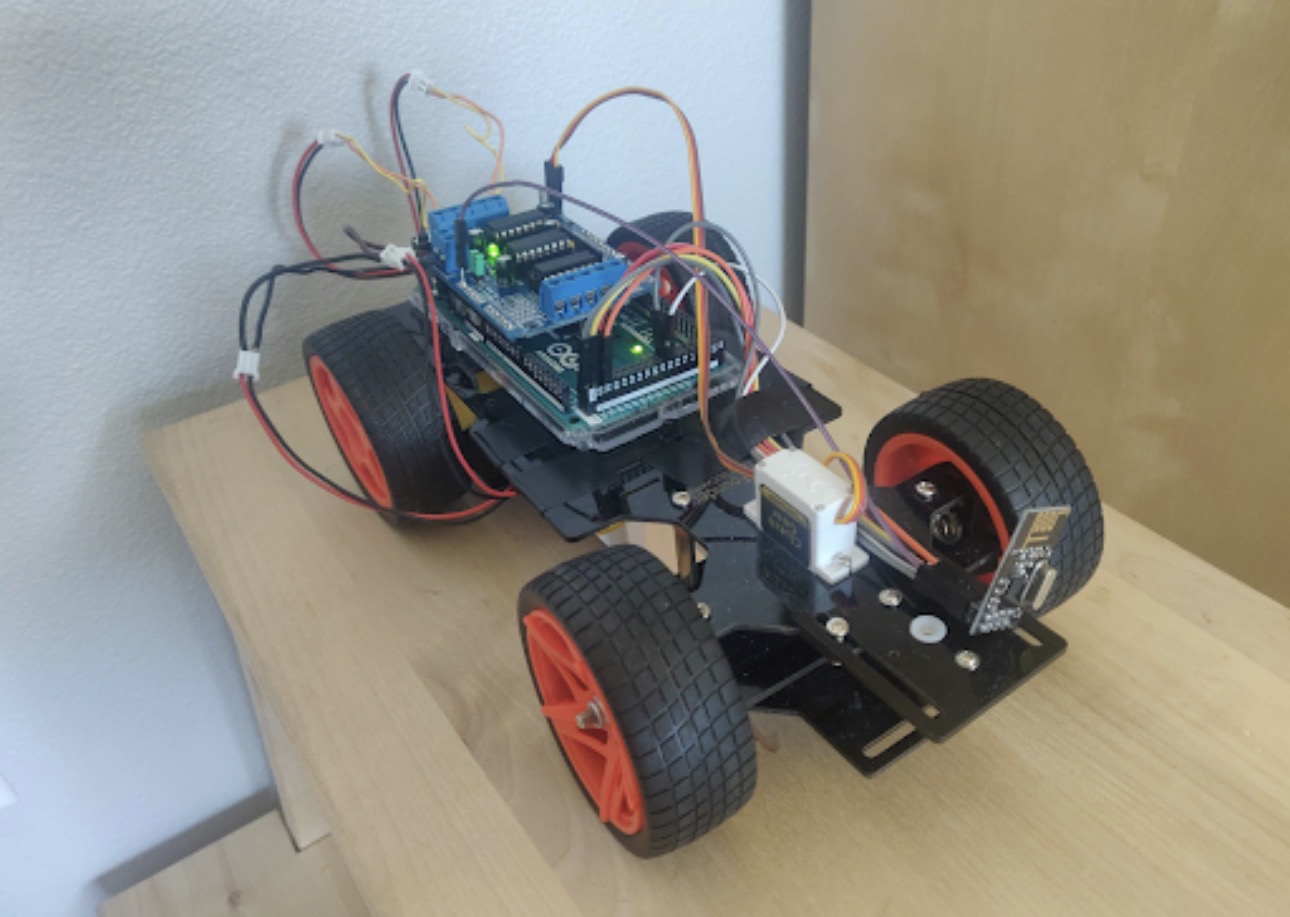
What: Fully wireless RC car with joystick control.
How: Two Arduino boards with RF transmitter/receiver modules; custom C++ firmware mapping joystick input to motor commands.
Result: Stable control up to 20 m with <5% packet loss and <100 ms input-to-movement latency.
A quick scan of what I use most across PCB design, embedded builds, and automation work.
Coming soon.
Enter personal page →